
The $17,000 Mistake: Why Winter Fuel Management is Destroying Fleets This January

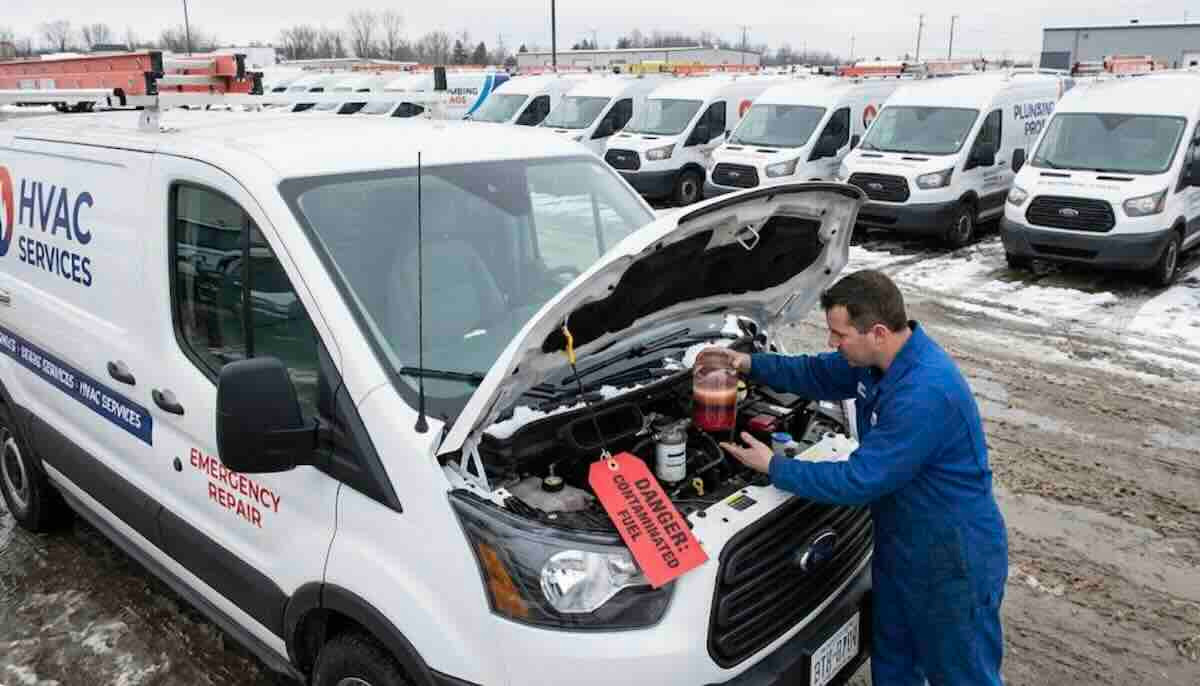
By [Tend Industrial Support Team] | January 3, 2026
While the general public worries about their cars not starting on "Manic Monday" (January 5th), fleet managers and industrial operators face a much more expensive crisis. The current polar freeze sweeping the region isn't just an inconvenience; it is a financial predator targeting your heavy equipment.
Recent reports from the Mid-Atlantic to the Northeast have highlighted a disturbing trend: catastrophic diesel gelling and Fuel Contamination.
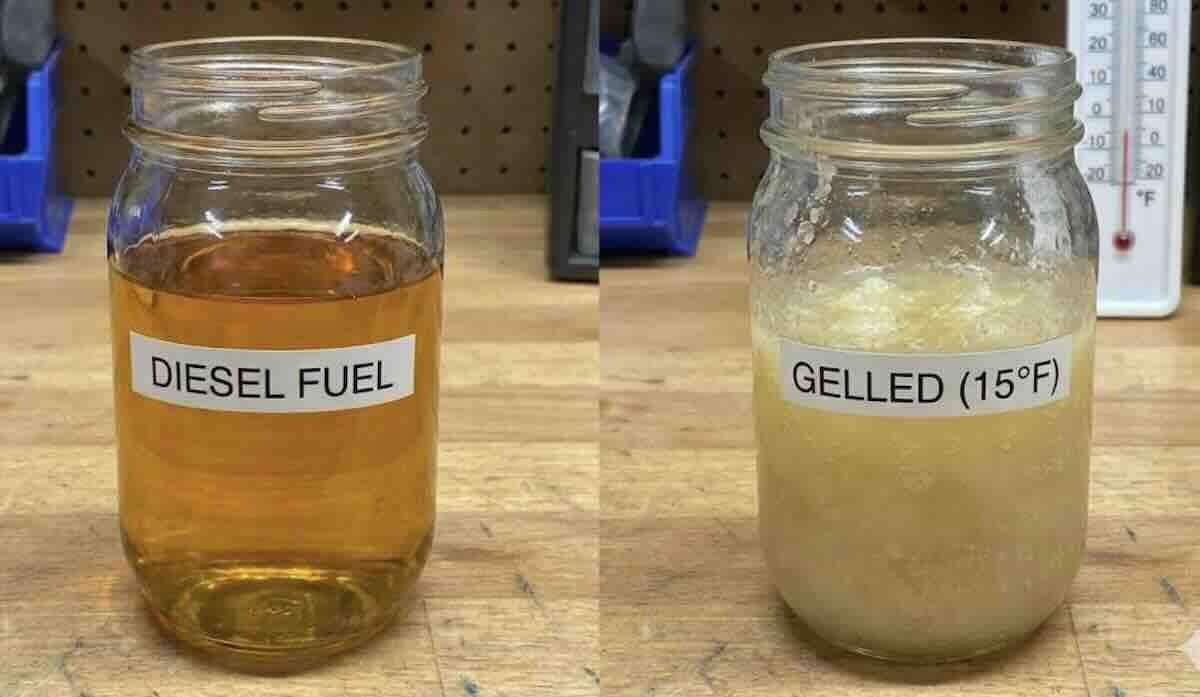
In December alone, a fuel delivery mix-up in the region caused catastrophic engine damage to dozens of vehicles, a cautionary tale that has rippled through the industry. But the bigger threat right now is the cold. With temperatures dropping to 15°F (-9°C), standard #2 diesel fuel is turning into a waxy sludge that can starve your engines, destroy your injectors, and halt your operations.
This guide covers the science of "gelling," the hidden dangers of winter supply chains ("Fuel Roulette"), and the specific protocols you need to save your fleet this week.
1. The Science of the Freeze: Cloud Point vs. Pour Point
The Data: According to industry standards, untreated Ultra-Low Sulfur Diesel (ULSD) has a "Cloud Point" around 32°F. By the time the thermometer hits 10°F-15°F (this week's forecast), the fuel can solidify completely.
Diesel fuel contains paraffin wax. This wax is essential for lubricity and high BTU value, but in the cold, it crystallizes.
The Three Stages of Diesel Failure
| Stage | Temperature (Approx.) | What Happens to Your Fuel? | Operational Impact |
| 1. Cloud Point | 32°F (0°C) | Wax crystals begin to form. Fuel appears cloudy or hazy. | Minor. Filters may begin to coat, but engine usually runs. |
| 2. Cold Filter Plugging Point (CFPP) | 15°F - 20°F | Wax crystals become large enough to clog the fuel filter. | Critical. Engine loses power, sputters, or shuts down under load. |
| 3. Pour Point (Gel) | 0°F - 10°F | Fuel turns into a solid, gel-like substance (like Vaseline). | Catastrophic. Fuel lines block completely. Pump failure risk. |
If your excavators, generators, or delivery trucks are sitting with untreated Summer-blend or marginal Winter-blend fuel right now, they likely won't start on Monday.
2. "Fuel Roulette": The Hidden Contamination Crisis
The controversy trending in industrial circles isn't just about temperature; it's about purity.
When winter storms disrupt supply chains, fuel terminals often run low. This leads to the "bottom of the tank" effect. Delivery tankers may inadvertently pump up sediment, sludge, and most dangerously, water, from the bottom of storage tanks.
-
The Water Threat: Water freezes at 32°F. If you have water in your fuel-water separator, it becomes an ice plug. No amount of anti-gel additive will fix an ice plug; you need de-icers (specifically Isopropanol, not Methanol, which damages seals).
Anecdote: The Hospital Generator Failure
We recently consulted for a facility manager whose backup generator failed during a grid test. The diagnosis? "Dirty Fuel." The tank hadn't been polished in 3 years. When the cold hit, the water condensation at the bottom froze the pickup line. The repair bill for the injection system? Over $17,000. Don't play Fuel Roulette.
3. The Protocol: How to Winter-Proof Your Equipment
To survive the week without downtime, you need a proactive "Defense in Depth" strategy.
Step 1: Treat the Tank, Not Just the Filter
Pouring the additive into the filter after the truck has died is too late. You need to treat the bulk tank.
-
Recommendation: Use a high-quality anti-gel with a "de-icer" component.
-
Ratio: Double the dose if temperatures drop below 10°F.
Step 2: Upgrade Your Filtration
Winter is the time to check your Micron Ratings. A 2-micron filter captures almost everything but clogs instantly with cold wax.
-
Strategy: In extreme cold, consider temporarily switching to a 10-micron primary filter to allow slightly better flow, provided your secondary filtration is solid.
Step 3: Keep the Air Dry (Pneumatics Matter)
Your heavy trucks use air brakes. Your shop uses air tools.
If your air lines freeze, your truck doesn't move.
-
Cross-Link Opportunity: Ensure your shop compressors are drained of water and your air dryers are serviced. Frozen air lines are just as immobilizing as gelled fuel.
-
Need Air Tool Maintenance? Check our partner guide:
The Physics of Pneumatic Failure at Pneumatictoolz.com
-
4. What To Do If You Are Already Gelled (The Rescue)
If you arrive on Monday morning and the equipment won't start:
-
Do NOT use Starting Fluid (Ether): On modern diesel engines with glow plugs or intake heaters, ether can cause an explosion in the intake manifold.
-
Change the Fuel Filter: The filter is usually the first choke point. Fill the new filter with clean diesel and a splash of Diesel 911 (or equivalent emergency de-geller).
-
Apply Heat: You may need to tarp the engine bay and run a forced-air heater under the truck to liquefy the wax in the lines.
Need Professional Help?
Sometimes, you don't have the tools or the time to thaw a fleet of trucks. If you are in the Maryland area and need mobile support to get your fleet moving:
Call the Mobile Pros: Our sister company, Autotoolsmart, specializes in mobile fleet start-ups and diagnostics. They can come to your yard.
Key Takeaways for Fleet Managers
-
Monday Warning: Expect fuel issues on Jan 5th. Arrive 1 hour early to inspect equipment.
-
Dose Early: Add anti-gel to your bulk tanks before the delivery drops.
-
Drain Water: Drain the water separators on all trucks daily during this freeze.
-
Inspect Deliveries: Ask your fuel supplier for the "Cloud Point" certificate of the current batch.
Frequently Asked Questions (FAQ)
Q: Can I mix Anti-Gel with Automatic Transmission Fluid (ATF) to help?
A: No. This is an old trucker myth. ATF contains friction modifiers and ash that can destroy modern High-Pressure Common Rail (HPCR) injectors and clog DPF filters. Use proper additives only.
Q: My fuel is clear, but the truck won't start. Why?
A: It could be battery failure. Diesel engines require high cranking amps to compress the air enough for ignition.
-
Check your batteries: If they are old, the cold has likely killed them.
Visit Autotoolsmart for Battery Testing.
Q: How long does diesel fuel last in storage?
A: About 6-12 months. If you are running "Summer Diesel" left over from August, you are at 100% risk of gelling right now.
Final Call to Action
Don't Let The Cold Freeze Your Revenue.
The difference between a profitable week and a disastrous one is preparation. Ensure your shop is stocked with the right filters, additives, and safety gear.
-
Need Industrial Supplies?
Shop Winter Maintenance at Tendsupplies.com -
Need Emergency Roadside/Fleet Help?
Book Autotoolsmart Mobile Service -
Need Power Solutions?
Check Enegyz.com for Generators
Protect your fleet. Protect your profit.
> BROWSE WINTER AUTO FLEET CATALOG

Newest Guide & products Updates

Revolving Storage for Small Parts: The UNITEDPOWER Rotating Hardware Storage Bin Solution
For the dedicated hobbyist, electronics enthusiast, or meticulous crafter, the challenge is always t...

Declutter Your Workshop: The Magic of a 30-Bin Wall-Mounted Storage Organizer
A messy workshop is an inefficient one. Time wasted searching for the right screw, nut, or washer is...

Proper Torque for Perfect Fastening: Why a 1/2-Inch Drive Torque Wrench is Essential
In automotive repair and mechanical work, the idea of tightening a bolt until it feels “good-n-tight...

Why Jack Stands Are Non-Negotiable for Automotive Work
In automotive repair, safety is not optional, it’s essential. Every year, serious injuries occur bec...

Lift Safely: Choosing the Right Floor Jack for Modern Cars
Lifting a vehicle is the gateway to a huge range of automotive maintenance and repair tasks, from si...

Light Up Your Workspace: Choosing the Best LED Work Light for Any Job
Working in a poorly lit space is not just frustrating; it’s a recipe for mistakes and accidents. Whe...