Automotive Jump Starters
A dead battery shouldn’t derail your day. Whether you’re commuting, running deliveries, managing a fleet, or working a jobsite, an automotive jump starter gives you fast, on-demand power to get your vehicle running—without needing another car. At Tend Industrial Supplies, we stock reliable jump starters built for real-world conditions: cold mornings, unpredictable schedules, and vehicles that need power now.
From compact lithium jump packs you can keep in the glove box to heavy-duty boosters for trucks and commercial vehicles, this category helps you choose the right tool with confidence.
Why Keep a Jump Starter in Your Vehicle or Shop?
- Self-reliance: Jump your car anywhere—driveway, parking lot, warehouse, roadside.
- Time savings: No waiting for a tow or a second vehicle.
- Multi-use power: Many jump starters double as a USB power bank for phones/tablets and include LED lighting.
- Fleet-ready: Great for service vans, delivery vehicles, and shop loaner cars.
More users are leaning toward portable, “grab-and-go” solutions because they’re faster and easier to deploy—especially in mobile work and field situations. :contentReference[oaicite:0]{index=0}
Choose the Right Jump Starter (Buyer’s Guide)
1) Match the Power to Your Engine
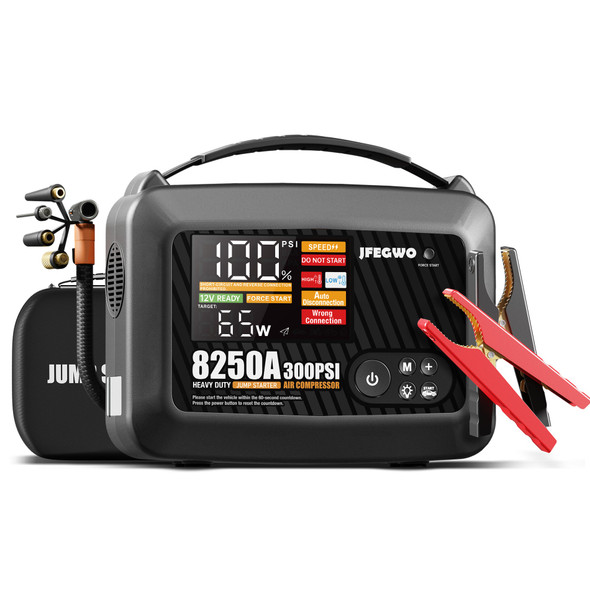
Jump starters are commonly marketed with Peak Amps (short-burst power) and sometimes Cranking Amps (sustained starting power). Bigger engines—especially diesel engines—typically require more starting power.
- Small cars & sedans: Usually fine with compact lithium jump starters.
- SUVs & light trucks: Choose a mid/high-output unit.
- Large trucks, vans, diesel engines: Look for heavy-duty boosters designed for higher demands.
2) Lithium Jump Starters vs. Traditional Jump Packs
- Lithium jump starters: Lightweight, portable, fast to recharge, often include USB/LED features.
- Traditional jump packs (lead-acid style): Typically heavier, but some are rugged for shop use.
3) Safety Features You Should Not Skip
Quality jump starters include built-in protection that makes jump-starting safer and more beginner-friendly:
- Reverse polarity protection (helps prevent damage if clamps are connected wrong)
- Spark-proof clamps
- Over-current / over-voltage protection
- Low-temperature performance (important for winter starts)
4) Helpful Extras (That Actually Matter)
- USB-C / USB-A outputs: charge phones, tablets, headlamps, small devices
- LED work light: useful for night breakdowns or engine-bay work
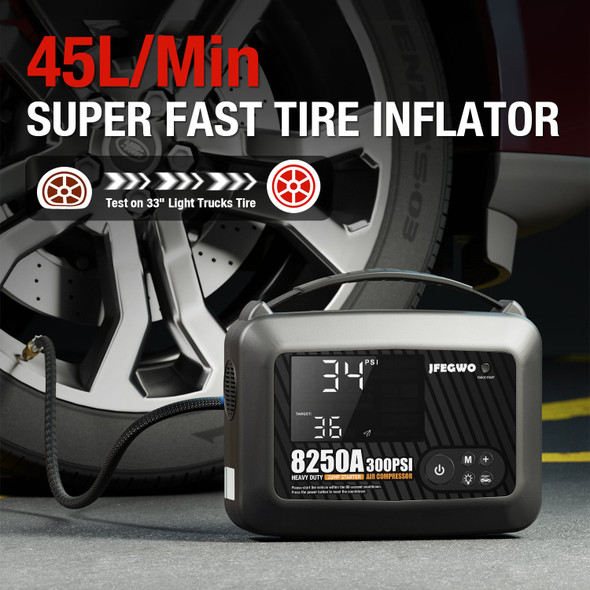
- 12V accessory output: for inflators and other accessories (varies by model)
- Carrying case: keeps cables/clamps protected and organized
Common Use Cases
Daily Drivers
Peace of mind for commute cars, school runs, and weekend trips.
Shops & Technicians
Quick boosts for customer vehicles, inventory cars, and service bays.
Fleets & Delivery Vans
Reduce downtime and avoid lost routes due to a dead battery.
Cold Weather Starts
Extra starting confidence when batteries struggle in the cold.
Recommended Add-Ons (Internal Links)
- Work Lights — better visibility for night starts and engine-bay checks
- Hand Tools — battery terminal cleaning, minor fixes, quick roadside tasks
- Automotive Tools — shop essentials for maintenance and repair
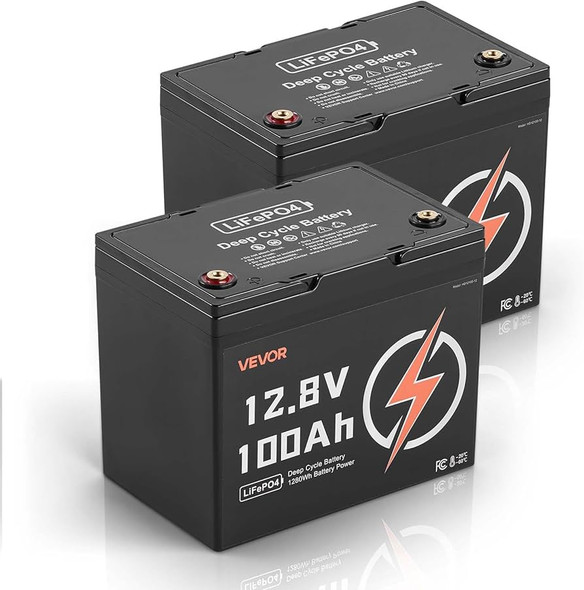
- Batteries — replacement batteries and portable power options
Jump Starter vs Battery Charger: Which Do You Need?
A jump starter is designed to start your engine immediately when the battery is too weak to crank. A battery charger/maintainer is for restoring and maintaining the battery over time (especially for seasonal vehicles). Many people keep both: a jump starter for emergencies and a charger for prevention.
Need Help Choosing?
If you tell us what you’re starting (car/SUV/truck, gas or diesel, engine size if known), we’ll point you to a jump starter that fits. Email: sales@tendsupplies.com
Related Reading (Internal)
Automotive Jump Starter FAQs
1) Will a jump starter work on my car or truck?
Yes—if it’s sized correctly for your engine. Small cars need less starting power than SUVs and trucks, and diesel engines typically need more than gasoline engines.
2) What’s the difference between peak amps and cranking amps?
Peak amps is the maximum short burst a unit can deliver. Cranking amps is a more practical measure of sustained starting power. If both are listed, cranking amps is often more useful for comparing real performance.
3) Can I jump-start a completely dead battery?
Often, yes. But results depend on how “dead” the battery is and the condition of the battery itself. If the battery is damaged or won’t hold any charge, it may need replacement even after a jump.
4) Are lithium jump starters safe?
Quality lithium jump starters are designed with multiple protections (reverse polarity, spark-proof, over-current). Always follow the included instructions and connect clamps carefully.
5) How do I use a jump starter properly?
- Turn the vehicle off and engage the parking brake.
- Connect the red clamp to the battery positive (+) terminal.
- Connect the black clamp to the negative (–) terminal (or a recommended ground point per the unit instructions).
- Power on the jump starter (if required) and start the vehicle.
- Disconnect clamps in reverse order once the vehicle is running.
6) How long does a jump starter hold a charge?
It varies by model and storage conditions. As a best practice, check and top-up the charge every 2–3 months, and more often in extreme hot/cold environments.
7) Can I leave a jump starter in my car year-round?
Many people do, but extreme temperatures can reduce performance and battery life. If your climate is very hot or very cold, consider storing it in a more temperature-stable place when possible.
8) Can a jump starter charge my phone or run accessories?
Many models include USB outputs and can act as a power bank. Some also support 12V accessory output—check the product specs.
9) Why won’t my car start even after jumping?
Possible causes include a failing battery, corroded terminals, a bad alternator, or starter/ignition issues. Jump starters solve the “low battery” problem—but not every no-start situation.
10) Do I still need jumper cables?
Not strictly—your jump starter replaces the need for a second vehicle in most cases. Some drivers keep cables as a backup, but a properly sized jump starter is usually the faster solution.
Shop Automotive Jump Starters
Browse this category to compare models by power level and features. If you need help selecting the right unit, contact us at sales@tendsupplies.com.






 Sale 13%Sale 13%