Batteries
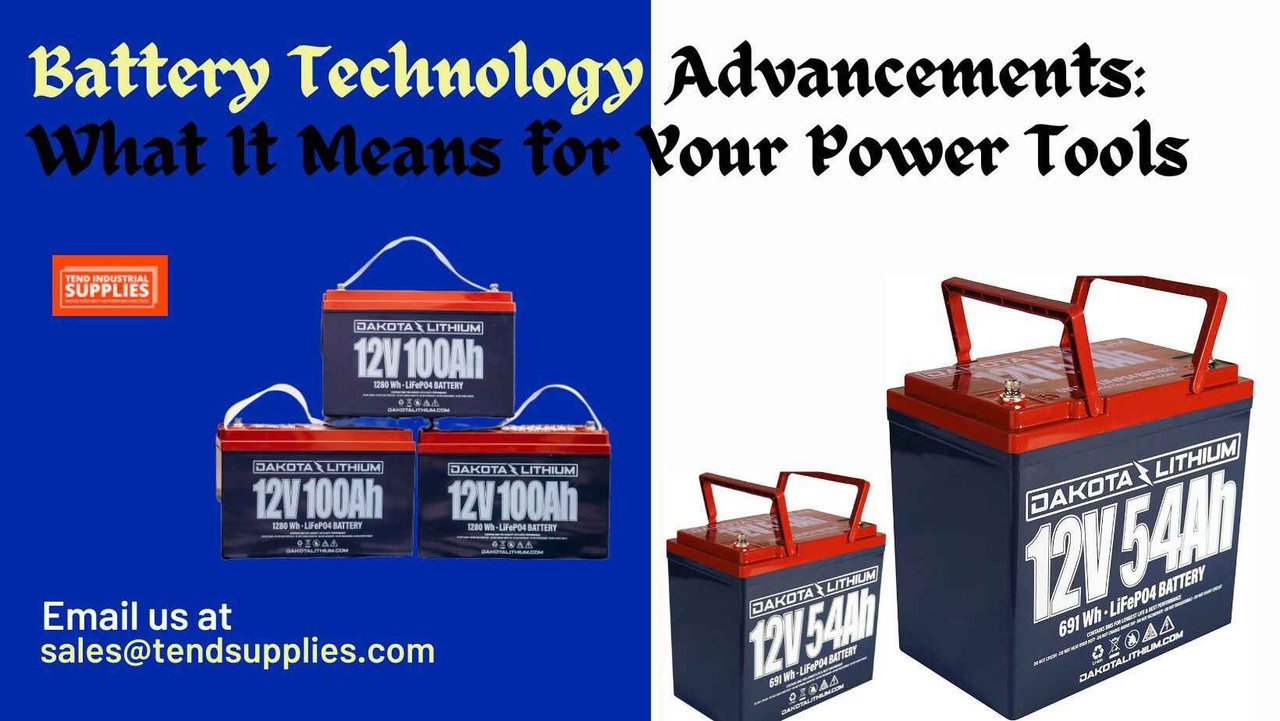
Power is the hidden “engine” behind modern work—whether you’re starting a vehicle, running tools on a jobsite, powering an off-grid setup, or keeping essential equipment online. At Tend Industrial Supplies, our Batteries category is built for customers who want dependable performance, clear guidance, and products that match real-life use cases—not guesswork.
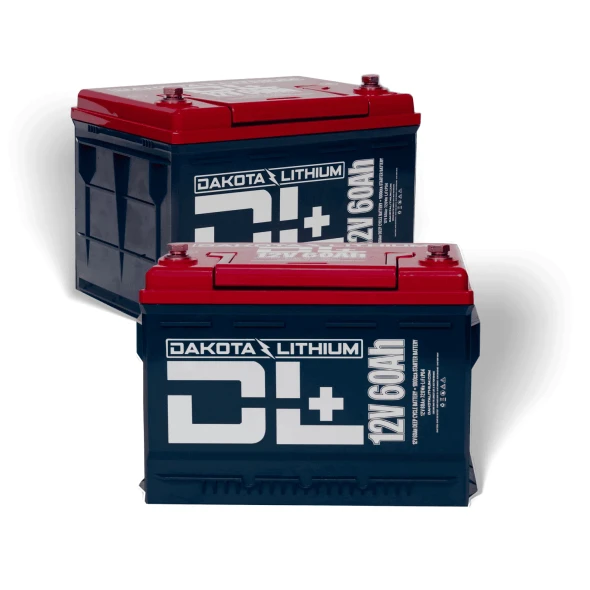
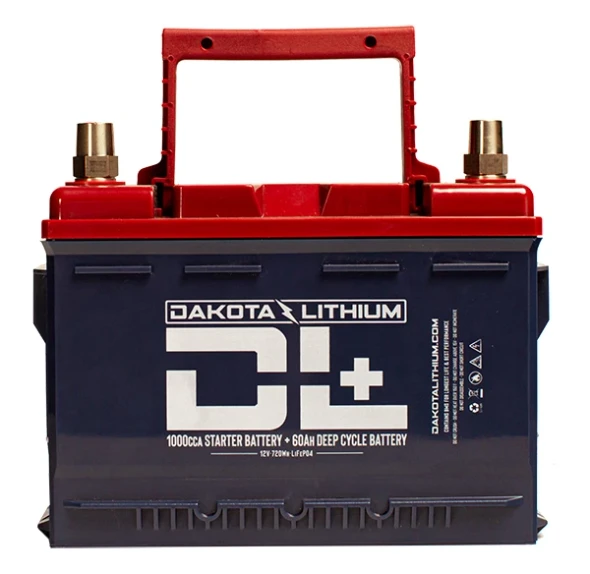
This page is your hub for battery-powered solutions across automotive, industrial, and commercial needs. You’ll find battery systems that support everything from everyday mobility to demanding applications like higher-draw loads, long runtime requirements, and field use.
Shop Batteries by Category
What You Can Power with the Right Battery
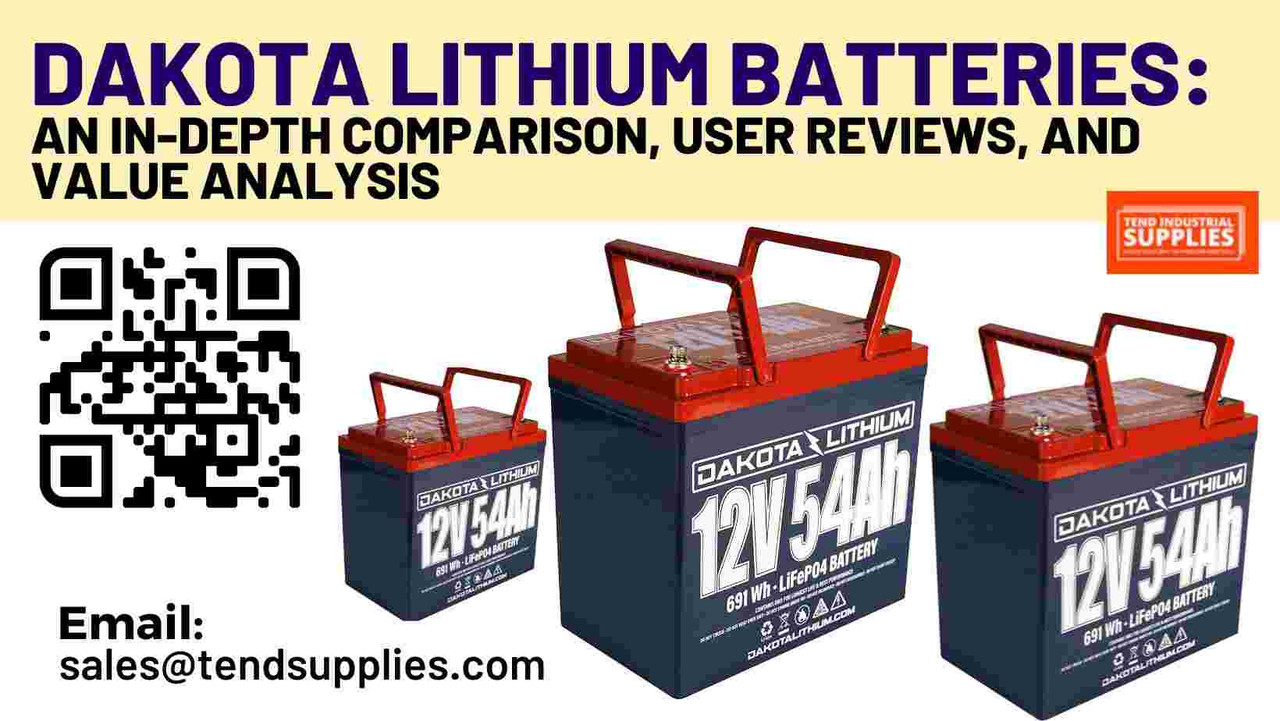
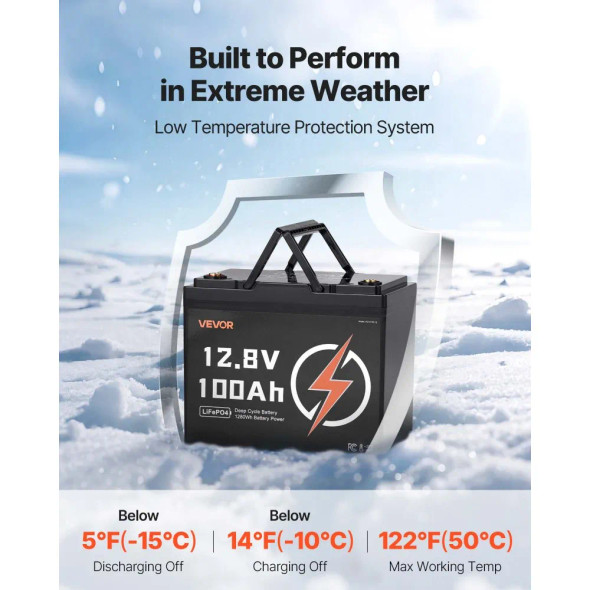
Customers shop this category for one reason: reliable power where downtime is expensive. Depending on your application, the “right” battery can mean longer runtime, faster charging, lighter weight, better safety, or stronger cold-weather performance.
- Vehicles & fleets: emergency starting power and roadside reliability
- Industrial tools & equipment: portable power for field work and mobile operations
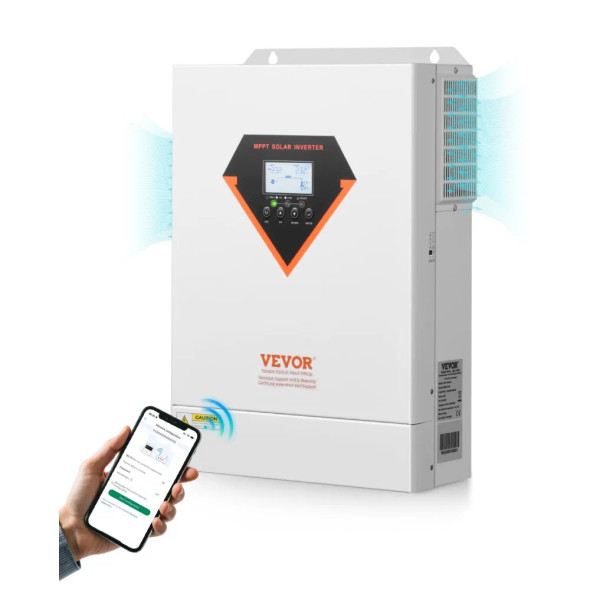
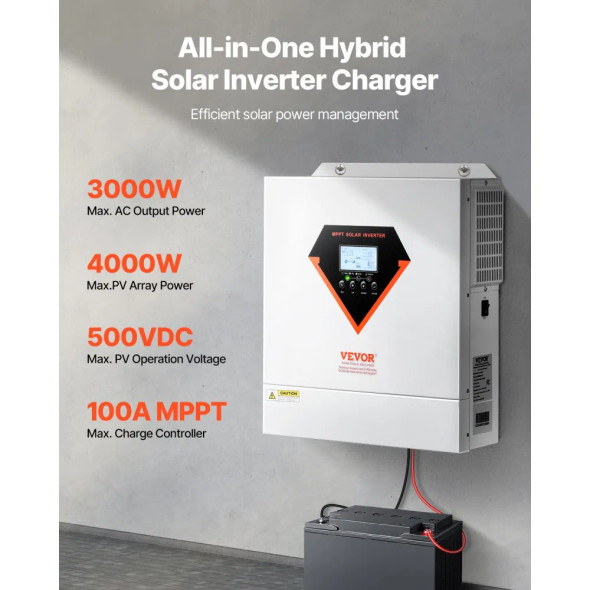
- Backup power & off-grid: energy storage that supports longer runtimes and smoother power delivery
- Recreation & specialty applications: marine, RV, golf cart, and other battery-dependent systems
Featured Subcategory: Automotive Jump Starters
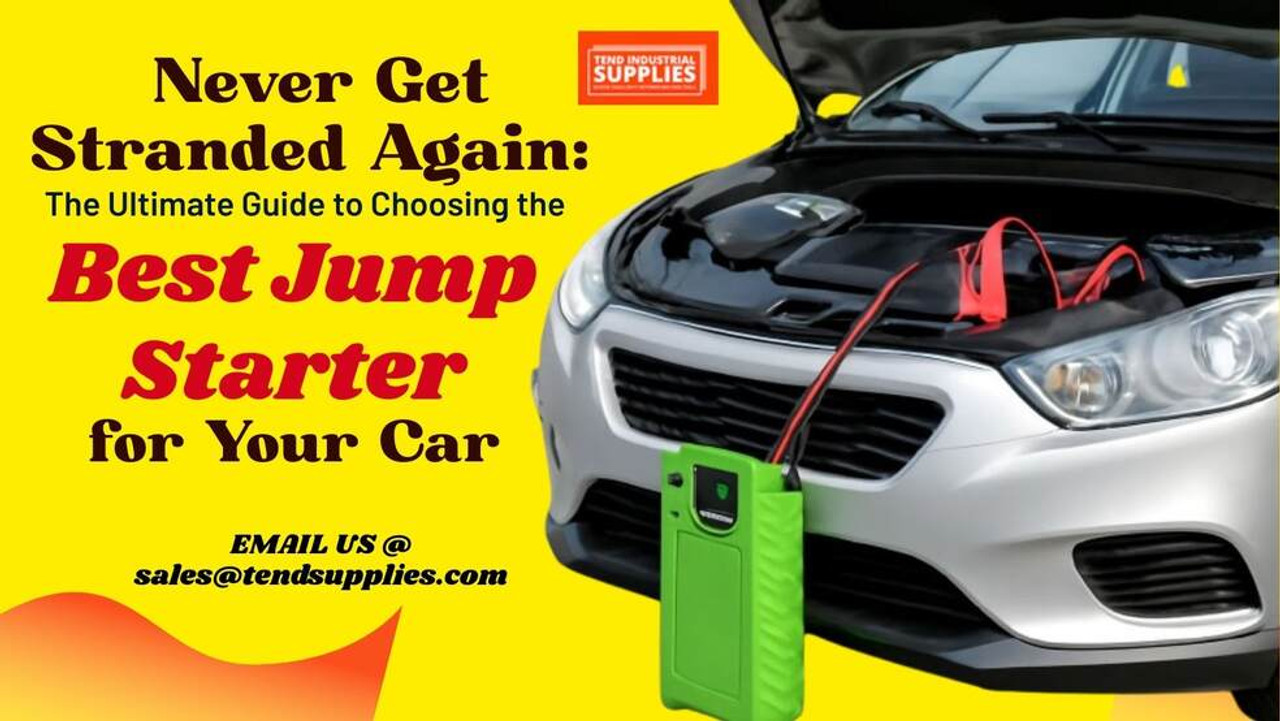
If you’re mainly here because of vehicle reliability, start with our jump starter selection. These are portable battery boosters designed to get you back on the road quickly—without needing a second vehicle.
Shop Automotive Jump Starters →
Battery Types Explained (Simple Buyer’s Guide)
1) Lithium-Ion Batteries
Lithium-ion batteries are widely used due to their excellent energy density and portability. They’re common in compact power solutions and many modern portable battery products.
2) LiFePO4 (Lithium Iron Phosphate)
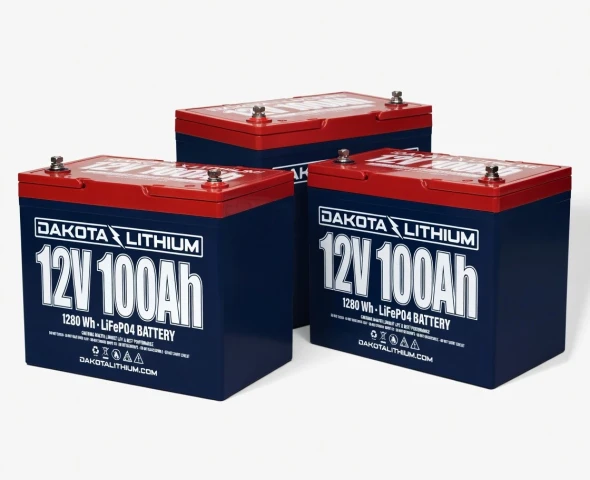
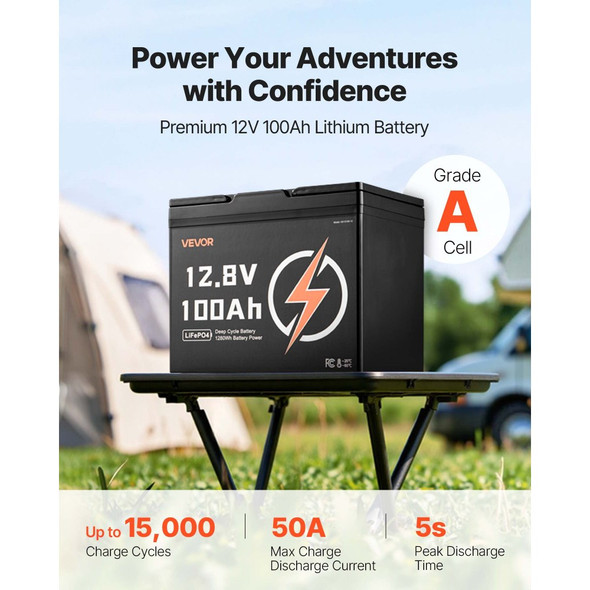
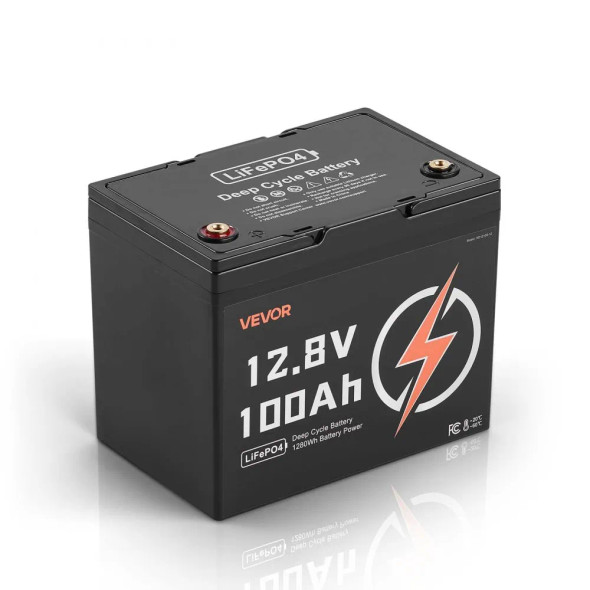
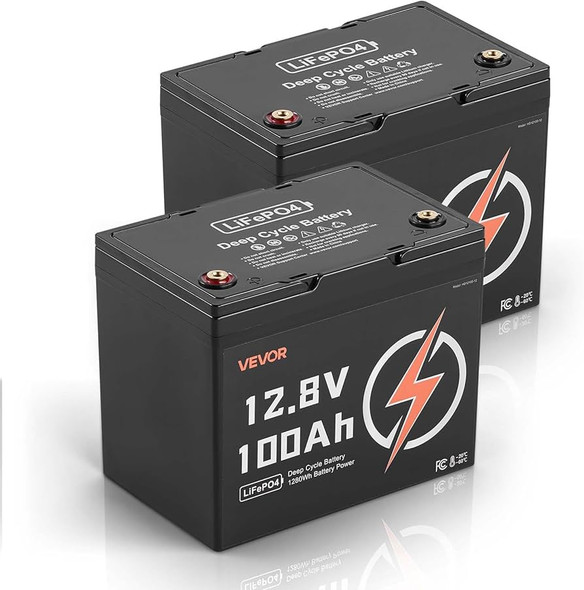
LiFePO4 batteries are popular for customers who want stable performance, long cycle life, and dependable energy storage. They’re widely used in applications where runtime and durability matter.
3) Lead-Acid (Traditional)
Lead-acid batteries are a familiar standard in many systems and remain common in certain automotive and backup power scenarios. They can be a practical choice where weight and footprint are less critical.
Not sure which chemistry fits your needs?
Use-case matters more than buzzwords. Tell us what you’re powering and how long you need it to run, and we’ll help narrow the options. Email: sales@tendsupplies.com | Call: +1 443-204-1972
How to Choose the Right Battery (What to Check First)
- Voltage (V): Must match your system requirements (example: 12V systems need 12V-compatible batteries).
- Capacity (Ah/Wh): Determines how long you can run a load. Higher capacity generally means more runtime.
- Application type: Starting power (vehicles) vs deep-cycle / energy storage (runtime-focused).
- Size & fitment: Physical dimensions, terminals, mounting orientation, and space constraints.
- Charging compatibility: Use a charger/controller designed for your battery chemistry.
Popular Battery Use Cases We Support
Emergency Vehicle Power
Portable jump starters and backup options to reduce roadside stress and downtime.
Worksite & Mobile Operations
Power solutions that travel with you—useful for field teams and technicians.
Energy Storage / Off-Grid
Batteries that support longer runtimes for controlled, stable power delivery.
Specialty Systems
Applications like golf carts and purpose-built equipment that rely on consistent battery performance.
Helpful Internal Links (Related Categories)
Learn More (Battery Guides)
Support That Actually Helps
Batteries can look similar but perform very differently depending on your load, charging setup, and environment. If you want a fast recommendation, message us with:
- What you’re powering (vehicle/equipment/system)
- Voltage requirement (if known)
- Runtime goal (how long you need it to run)
- Any fitment limits (space/size constraints)
Email: sales@tendsupplies.com | Phone: +1 443-204-1972
Batteries FAQs
1) How do I know what battery voltage I need?
Check the equipment label, manual, or existing battery. Voltage must match the system requirement (for example, a 12V system should use a compatible 12V battery solution).
2) What do Ah and Wh mean?
Ah (amp-hours) and Wh (watt-hours) are capacity measurements that help estimate runtime. Higher numbers typically mean longer runtime, depending on your load.
3) What’s the difference between a starting battery and a deep-cycle battery?
Starting batteries are designed for short, high-power bursts (like engine starts). Deep-cycle/energy storage batteries are designed for steadier discharge over longer periods (runtime-focused applications).
4) Can I use any charger with any battery?
Not always. Chargers and controllers are often designed for specific battery chemistries and voltage ranges. Using the wrong charger can reduce performance or shorten battery life.
5) How should I store batteries when not in use?
Store batteries in a cool, dry place, away from direct heat and moisture. For long storage periods, follow manufacturer guidance on charge level and maintenance intervals.
6) Are automotive jump starters the same as batteries?
Jump starters contain internal batteries and are designed to deliver the power needed to start vehicles quickly. They’re a great “emergency power” solution, but they don’t replace the vehicle battery if the battery is failing. Explore options here: Automotive Jump Starters.
7) Do you help customers choose the right battery?
Yes. If you share your application, voltage, runtime goal, and any fitment constraints, we’ll help you choose the best match for your needs. Email: sales@tendsupplies.com.