



Products List
There are no products listed under this category.
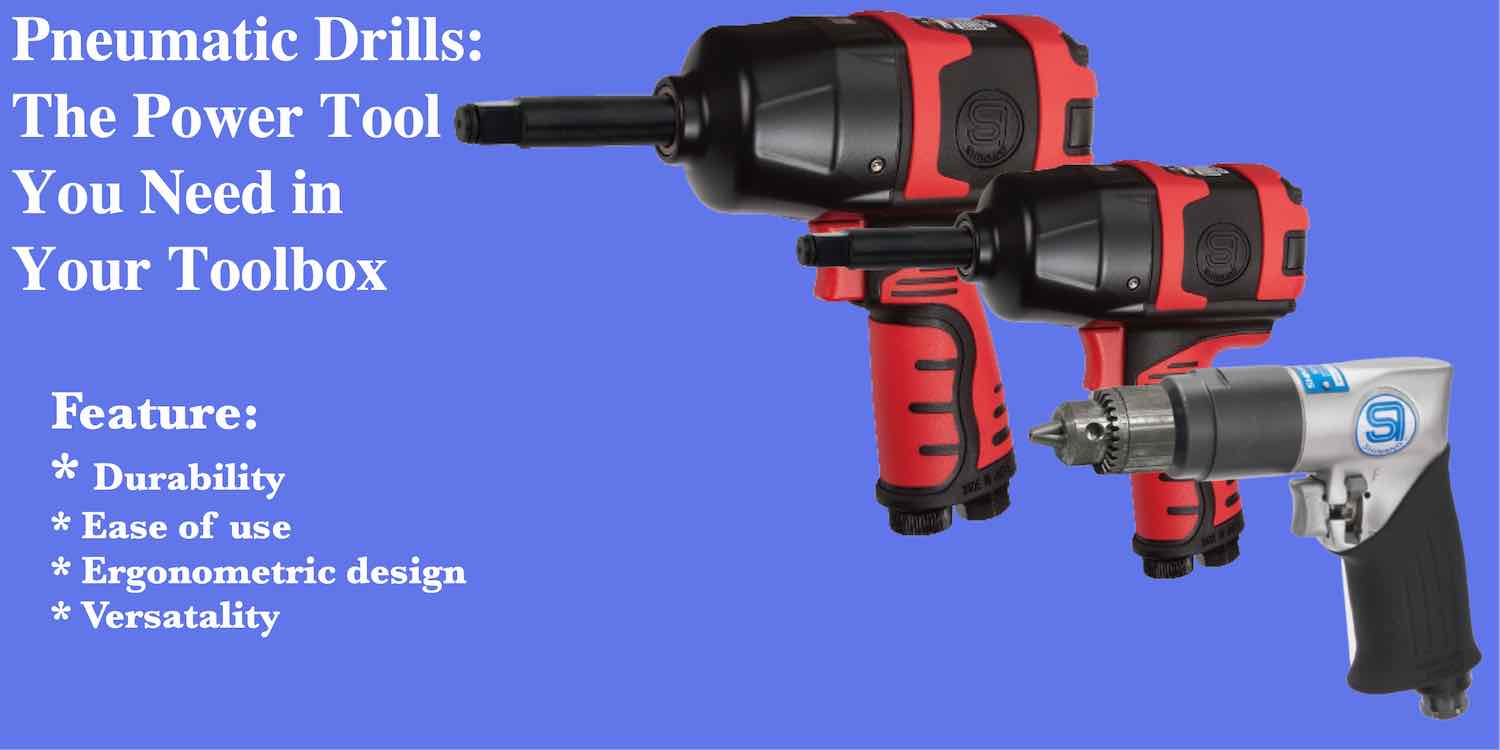
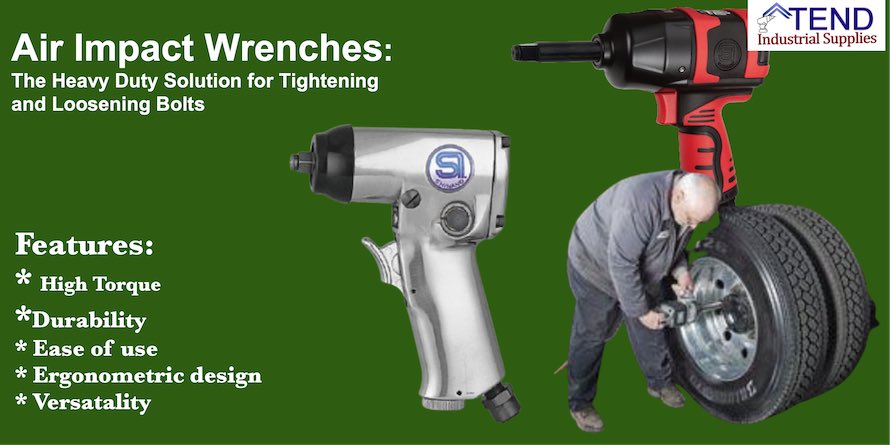
A pneumatic tool is only as effective as the air delivered to it. Before buying a new impact wrench, die grinder, sander or air drill, consider the complete path: compressor capacity, moisture control, regulation, hose inside diameter, coupler flow and the tool’s own operating requirement.
Use the Professional Pneumatic System Setup Guide → Read the Complete Automotive Workshop Guide →Pneumatic air tools use compressed air to create rotary, percussion or continuous-flow work. They are valued in professional environments for power-to-weight ratio, repeatable output, serviceability and the ability to keep working through long shifts when the compressed-air system is properly matched. From removing lug nuts and cutting sheet metal to preparing paint surfaces, driving fasteners, cleaning parts and inflating equipment, air tools cover a wide range of automotive, industrial, fabrication, construction and maintenance tasks.
Choosing the right tool starts with the job, but it should not end there. The tool’s required air volume, operating pressure, recommended hose size and exhaust design influence the system around it. A high-quality pneumatic tool can lose speed, torque or finish quality when supplied through restrictive fittings, an undersized hose, leaking connections or poorly conditioned air. This category brings together the tools and support components needed to make a practical purchase decision.
| Application | Pneumatic Tool Path | What to Evaluate | Explore |
|---|---|---|---|
| Automotive wheels, suspension and assembly | Impact wrench, ratchet or driver | Drive size, torque, duty cycle, access and coupler flow | Impact wrenches · Air ratchets |
| Metal cutting, panel work and fabrication | Air saw, cutter, grinder or die grinder | Speed, wheel/accessory compatibility, exhaust direction and control | Air cutting tools · Air die grinders |
| Surface preparation, paint preparation and finishing | Disc, orbital, belt or angle sander | Pad size, orbit, RPM, vibration, dust control and air quality | Air sanders · Professional sanders |
| Precision drilling, fastening and workshop maintenance | Air drill, spot mill, air hammer or driver | Chuck/bit capacity, reversibility, RPM, access and hose routing | Air drills · Air drivers |
Most workshop pneumatic tools are specified around a working pressure near 90 PSI, but usable air volume and flow restriction determine whether the tool delivers its rated performance in real work. The right compressor, air preparation and delivery components reduce moisture, contamination, pressure loss and unnecessary service interruptions.
| System Component | Why It Matters | Buying Path |
|---|---|---|
| Air compressor | Provides the CFM and pressure reserve required by the expected tools and simultaneous users. | Shop air compressors |
| Filtration, regulation and lubrication | Protects equipment, sets stable working pressure and supports applications that require controlled line lubrication. | Air regulators · Air preparation |
| Hose and reel | Inside diameter, length and material influence pressure drop, reach, handling and safety. | Air hoses · Air hose reels |
| Coupler and fitting | A restrictive connection can limit tool flow and can add leaks or workflow delays. | Quick couplers · Couplers & fittings |
Send us the task, number of users, available compressor CFM, hose distance and tool models. We will help you align the tool, filter/regulator, hose and fittings.
Open the System Setup Page → Shinano SI-4700B Air SawPanel cutting and fabrication →
  Shinano SI-1610SR Impact WrenchAutomotive fastening →
  Shinano SI-2740 Belt SanderWeld blending and deburring →
  Shinano SI-3101 Palm SanderProfessional surface finishing →
 Choose the brand and tool platform that fits your application, required service level and budget. For professional sanders and grinders, Japanese-made Shinano Pneumatic Tools provide a dedicated performance path. You can also explore Aircat Pneumatics, Universal Air Tool, FPX Air Tools and VEVOR Tools.
Safe pneumatic-tool operation starts with eye and hearing protection, secure hose connections, appropriate guards or retainers, and air pressure that matches the tool manufacturer’s recommendation. Do not point compressed air at people; manage hoses to reduce trip hazards; inspect fittings, couplers and hose condition regularly; and use appropriate respiratory protection for the task and airborne material.
Routine maintenance helps protect tool output and life. Check for leaks, keep the air supply clean and dry, follow the manufacturer’s lubrication guidance, and replace worn accessories or damaged air-line components before they compromise performance. For detailed guidance, use the resources below before you set up or modify a working air-tool system.
Pneumatic tool safety strategies
The evolution of air tools: why Shinano leads
Air ratchets: guide to quick fastening
Understanding air tools and pneumatic tools
Hand tools vs. air tools for woodworking
Pneumatic tool lubrication and maintenance
Air tools used in an automotive workshop
Choosing air tools for woodworking
Why mechanics use air-powered tools
15 essential pneumatic tools for workshops
Selecting air tools for automotive work
Understanding compressor sizing for pneumatic tools
Rotary tools include drills, grinders and screwdrivers. Percussion tools include hammers and chisels. Continuous-flow tools include blow guns and spray equipment. The correct category depends on the work, accessory and air-delivery requirement.
Start with the application, then check the tool’s required pressure, air consumption, accessory/drive size, ergonomics, maintenance requirement and whether your compressor, hose and fittings can deliver compatible air at the work point.
Low available CFM, pressure drop through a long or narrow hose, restrictive fittings, leaks, incorrect regulation, moisture or contamination can all reduce performance. Review the complete path, not only the compressor gauge.
Yes. Air tools can be effective for home mechanics, woodworking, finishing and maintenance when the compressor and air-delivery setup match the tool and the operator follows the required safety practices.
Inspect connections, drain moisture from the system as appropriate, keep the air supply clean, follow lubrication guidance, and replace damaged hoses, fittings and accessories. Always follow the tool manufacturer’s own service requirements.
Tell Tendsupplies what work you are doing and what air supply you have. We will help you identify the right pneumatic tools, accessories and compatible air-delivery components.
Request a Pneumatic Tool Quote Email sales@tendsupplies.comThere are no products listed under this category.