
DIY Mini-Split or a Heating and Cooling Contractor? Where the Line Really Falls

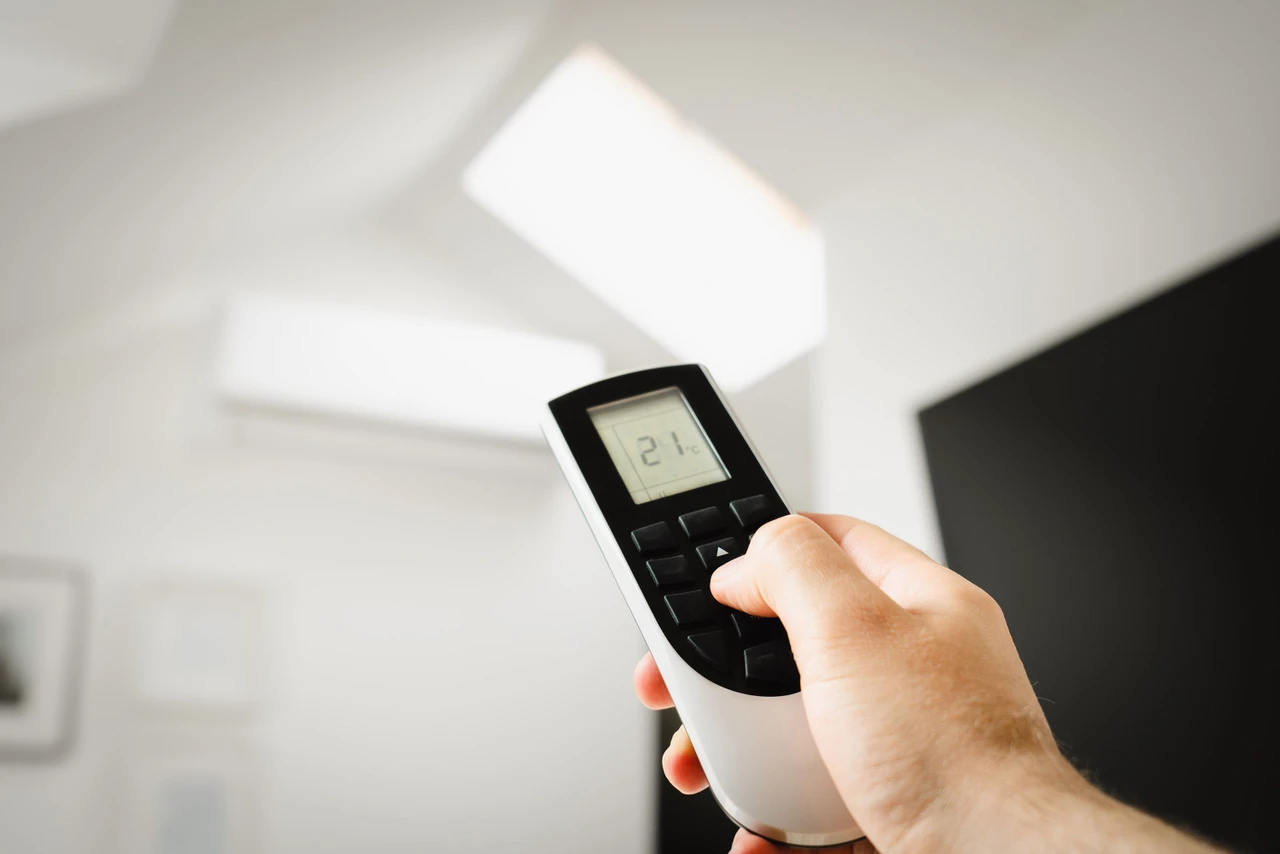
Ductless mini-splits used to be strictly professional equipment. Pre-charged systems with quick-connect line sets have simplified parts of installation, and a homeowner may be able to handle planning and mounting for a garage, an addition, or a bonus room. Buying one is easy. Installing it correctly means following the product instructions, federal refrigerant rules and local building requirements. A “DIY” label does not waive those requirements.
Most buyers want to know where their part of the job ends. Some steps suit a confident DIYer, others belong to a licensed electrician or a heating and cooling contractor, and a few depend on what your town requires.
This guide walks through what makes a mini-split "DIY," which steps you can usually handle, where professionals come in, what to check in the warranty and which questions to answer before you place an order.
What Makes a Mini-Split "DIY"
A standard mini-split typically arrives with refrigerant stored in the outdoor unit and copper lines that a qualified installer prepares and connects on site. The installer checks the connections, evacuates the lines to remove air and moisture, and verifies the refrigerant charge using the manufacturer’s specified procedure. This work needs specialist equipment and an appropriately certified technician.
Some systems marketed for DIY installation use factory-sealed, pre-charged line sets and quick-connect couplings, reducing the need for field flaring and evacuation when installed exactly as the manufacturer specifies. Federal and local requirements still apply. Line sets often come in fixed lengths, so plan the unit placement around the approved length and route any excess as the manual directs.
Steps a Handy Homeowner Can Usually Handle
Planning and some mounting work may suit a homeowner comfortable with a drill, a level and a stud finder, where local rules and the product instructions allow it. Keep electrical work and refrigerant-circuit connections separate from these preparation tasks.
Planning the Placement
Start with the manual's clearance drawings. The indoor unit needs space above and to the sides for airflow, usually high on an exterior wall, and it should blow across the room without hitting furniture or a bed. The outdoor unit needs a level pad or wall brackets, room around it for air and service, and a spot where snow, roof runoff, and dryer exhaust won't pile onto it. Plan the condensate drain at the same time, because a gravity drain needs a continuous downhill route. If that is not possible, ask the installer whether a suitable condensate pump is needed.
Mounting and the Wall Penetration
The indoor unit hangs on a mounting plate secured to suitable structural support as the manual specifies. Before drilling, check for wiring, pipes and structural obstructions. The line set, drain hose and control cable usually pass through a sleeved exterior-wall opening with the slope and sealing specified by the manufacturer. Get professional help if the wall construction or a safe route is uncertain.
Planning the Line-Set Route
Plan a route that protects the line set from damage and allows the manufacturer’s required bend radius and clearances. Have an appropriately certified technician make the refrigerant connections and follow the exact model’s tightening and commissioning instructions. Complete the required electrical-safety and refrigerant-leak checks before the test run, then repeat the checks during operation as the manual directs. Do not start or continue operating a leaking system.
Where a Professional Comes In
Past the mechanical work, mistakes get more expensive, and in some cases the law requires a license.
The Electrical Circuit
Electrical requirements depend on the model. Some mini-splits use 115 volts; many larger models use 208/230 volts. Have a qualified licensed electrician verify the nameplate voltage, circuit capacity, breaker, conductor sizing, grounding and disconnect requirements, and obtain any required permit. The electrical installation must follow the manufacturer’s instructions and applicable codes. A “DIY” label is not permission to undertake electrical work without the required qualifications.
Sizing the System
Choosing capacity by square footage alone is a common mistake. An oversized system may cycle too often and struggle to control humidity, while an undersized system may not maintain the desired temperature in extreme weather. A heat load calculation accounts for insulation, windows, ceiling height and climate. If the mini-split will be the main heat source in winter, check the model's rated performance at low outdoor temperatures.
Refrigerant Work
In the United States, EPA guidance on mini-split installation states that adding or removing refrigerant, or connecting or disconnecting hoses or pre-charged lines, requires Section 608 technician certification. Do not assume a quick-connect or pre-charged system is exempt because it is marketed as DIY. Use a technician with the appropriate certification for refrigerant connections, leak repairs, recovery and charging, and check any additional state or local licensing requirements.
Permits and Inspections
Rules vary by municipality. Some towns want a mechanical permit for the installation and an electrical permit for the circuit, and a few require a building permit for the wall penetration. A short call to your local building department before you start costs nothing and can save a failed inspection when you sell the house.
Warranty Terms Worth Reading Before You Buy
Warranty terms vary widely between product lines. A manufacturer may permit certain homeowner installation work, but that does not override federal, state or local requirements. Coverage can depend on qualified installation, registration deadlines and maintenance records. Read the terms for the exact model before you order, keep proof of purchase and installation records, and confirm in advance who will service the system if something fails.
DIY or Contractor – A Side-by-Side Look
Here is how the work typically divides. Local rules, required qualifications and the exact product instructions still apply.
| Task | Homeowner | Licensed electrician | HVAC contractor |
|---|---|---|---|
| Choosing locations and mounting the units | Where permitted by local rules and the manual | No | Optional |
| Drilling and sealing the wall penetration | Where safe and permitted; get help if uncertain | No | Optional |
| Connecting a pre-charged quick-connect line set | Not without required certification | Only if appropriately qualified | Section 608-certified technician; local licensing may also apply |
| Flaring, evacuating and charging a standard line set | No | No | Appropriately Section 608-certified technician |
| Running the dedicated circuit and disconnect | No | Yes | No |
| Calculating the heating and cooling load | Possible with care | No | Recommended |
| Pulling permits | Depends on local rules | Electrical | Mechanical |
| Repairing a refrigerant leak | No | No | Appropriately Section 608-certified technician |
Questions to Answer Before You Order
A few answers decide whether a DIY installation makes sense for your project.
- What size, insulation level and use does the room have, and what capacity does that call for?
- Does your electrical panel have the capacity and suitable circuit for the exact model’s voltage and current requirements?
- How far apart will the indoor and outdoor units sit, and does a stock line set cover that distance?
- Which permits does your municipality require?
- What do the warranty terms say about who may install and register the system?
- How well does the model heat at your area's winter low temperatures?
- Who will make the refrigerant connections, and who has agreed to provide maintenance and repairs for your particular model and installation?
If the answers point toward getting help with sizing, wiring or long-term service, bring in that help early. Region Home Services, a family-owned HVAC company serving Bucks County, Pennsylvania, lists heating, cooling and ductless-system services on its website. Before buying, ask your chosen contractor whether it will service the exact model and a homeowner-prepared installation. Do not assume that service or warranty support is guaranteed.
Safety references: EPA Section 608 guidance; MRCOOL DIY E Star installation manual, electrical and gas leak checks and test run. Always use the latest manual for your exact model.
Hero photo: Jakub Zerdzicki / Pexels.

Newest Guide & products Updates

DIY Mini-Split or a Heating and Cooling Contractor? Where the Line Really Falls
Ductless mini-splits used to be strictly professional equipment. Pre-charged systems with quick-conn...
Air Regulators for Paint Booths: What to Buy Before You Order
For a paint-booth spray-air branch, buy a correctly sized filter-regulator without an oil-mist lubri...
Best 3/8-Inch Air Ratchet for Mechanics: SI-1205B or SI-1218EX?
Choose the Shinano SI-1205B when a light, compact 3/8-inch air ratchet is the priority; compare the...
Compact Air Impact Wrench for Tight Automotive Spaces: SI-1610SR Buying Guide
Buy a compact air impact wrench when access and manageable tool weight matter—but only after checkin...
WAALPC FRL Replacement Filters: Match the Part Before You Buy
Buy a replacement FRL filter element by its confirmed model family and dimensions—not by the words “...
Shinano 5-Inch Air Grinder Review: M14 vs 5/8-11 Spindle
Tend Industrial Knowledge Center / Product comparisons Looking for the best 5-inch air angle grinde...