
WAALPC FRL Replacement Filters: Match the Part Before You Buy


Buy a replacement FRL filter element by its confirmed model family and dimensions—not by the words “5 micron” or by the pipe size. For a WAALPC unit labelled AC3000, AW3000 or AF3000, start with the corresponding 3000-series replacement listing. For a listed 4000-series unit, check the separate 4000-series element. Have Tend confirm the complete model and supplied revision before you order.
This guide turns an FRL maintenance check into a specific purchasing decision: replace a correctly identified element, investigate a different fault, or request a complete replacement unit. It also gives maintenance teams a practical way to keep the right spares without guessing.
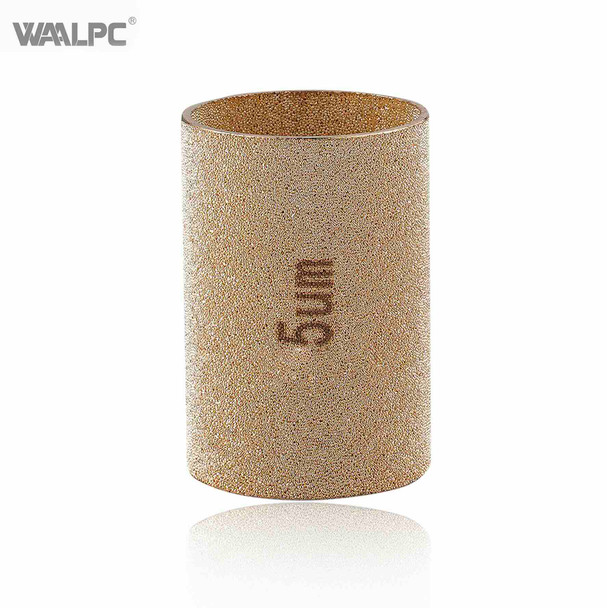
Which WAALPC replacement should you order?
| What the installed unit says | Where to start | What still needs confirmation |
|---|---|---|
| WAALPC AC3000, AW3000 or AF3000 | WAALPC 5-micron 3000-series replacement element | Complete suffix, dimensions, seating arrangement and revision |
| WAALPC AC4000, AW4000 or AF4000 | WAALPC 5-micron 4000-series replacement element | Exact installed family and fit; do not substitute a smaller element |
| AFR2000 or another 2000-labelled unit | Request a model-specific match | Do not treat AFR2000, AW2000 and AC2000 as automatically interchangeable |
| Another brand, unreadable label or unknown revision | Submit photos and measurements before ordering | No assumed SMC or cross-brand compatibility |
The 3000- and 4000-series rows reflect Tend’s product listings, not a blanket interchangeability claim across every unit with a similar number. The shared filtration grade describes filtration—not length, diameter, seal geometry or the way the element seats.
Do you need an element, a drain repair or a new unit?
Investigate the element when restriction or contamination is suspected
A dirty or damaged element is a reason to inspect the filter and compare its condition with the manufacturer’s service criteria. Where pressure measurements are used, take comparable readings under a controlled, repeatable operating condition. A reading taken with no airflow cannot establish how the system performs when a tool is running.
Do not assume every slow tool proves the filter is blocked. Restricted couplers, a long narrow hose, a regulator problem or inadequate compressor delivery can produce a similar complaint. Identify the cause before ordering parts in quantity.
Do not expect a new element to fix a failed drain
A bowl that fills with condensate may need attention to the drain or the wider moisture-management system. The correct element does not repair a drain that will not function. Request the appropriate replacement component or a complete unit after the fault and available service parts are established.
Replace damaged pressure-containing parts through the approved route
A cracked bowl, damaged thread or suspect housing is not an invitation to improvise a repair or continue operating. Take the affected unit out of service using the workplace’s safe isolation procedure and obtain a suitable replacement. Check the new component’s pressure, temperature and material limits against the actual installation.
A shop inspection routine that supports smarter reordering
The table below is a suggested management routine, not a WAALPC-mandated replacement interval. Humidity, compressor condition, operating hours, process demands and the manufacturer’s instructions should determine the actual service schedule.
| Review point | Inspection focus | Purchasing consequence |
|---|---|---|
| Before the shift or normal start-up | Visible bowl condition, condensate and abnormal behaviour | Identify a drain or damaged-unit requirement before it interrupts the shift |
| Weekly review | Leaks, service log, drainage reliability and spare availability | Reorder confirmed parts consumed during maintenance |
| Planned monthly review | Operating history and restriction checks where appropriate | Schedule condition-based service instead of an invented universal element interval |
| Whenever the air demand or process changes | Whether the installed unit remains suitable | Consider resizing or different treatment rather than repeatedly replacing the same element |
Manufacturer service procedures must take precedence. SATA’s filter-maintenance guidance is an example of why product-specific instructions matter; do not transfer another manufacturer’s cartridge schedule or dismantling method to a WAALPC unit.
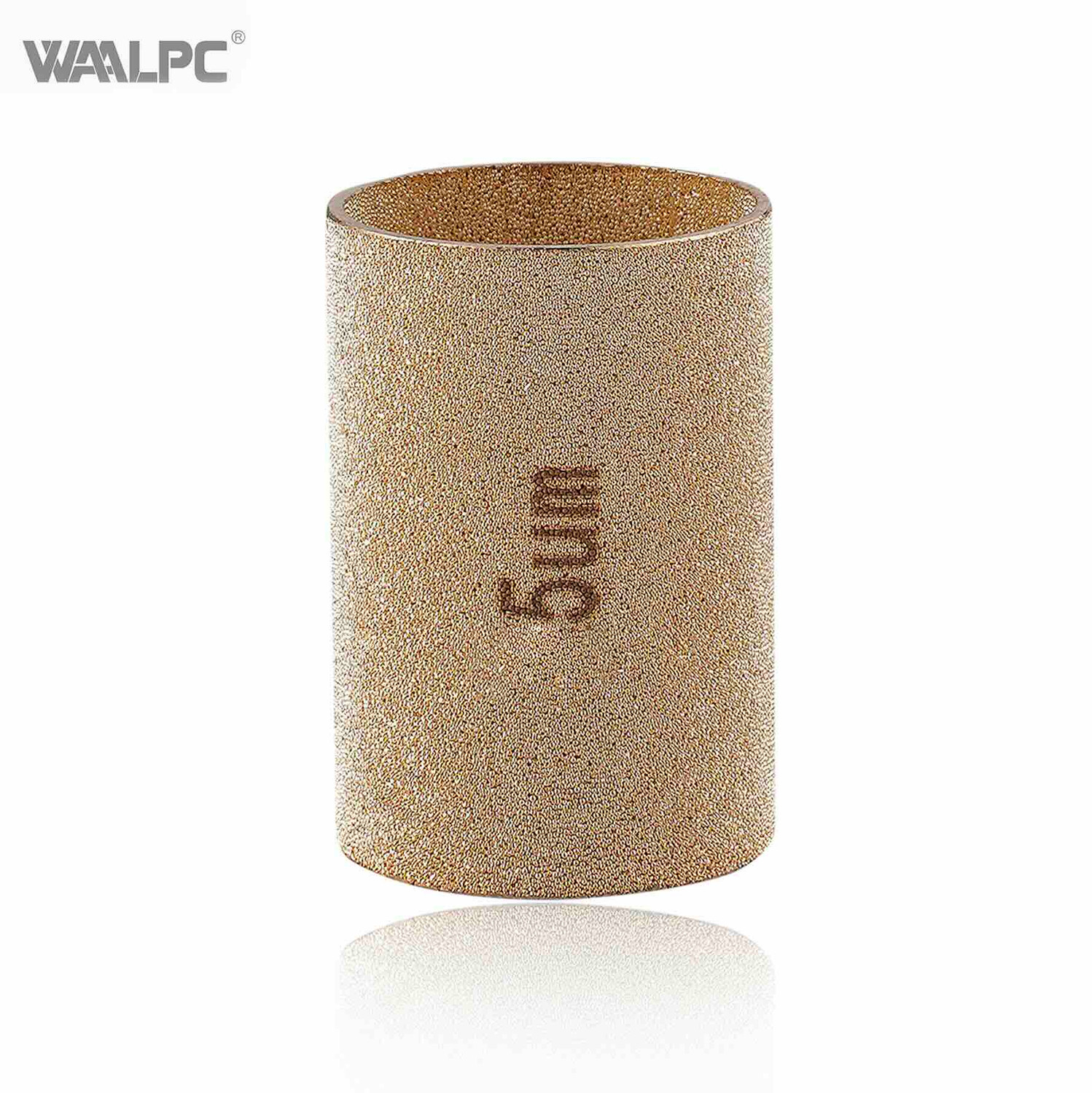
Send these details to avoid the wrong replacement
Photograph the whole unit, its identification label and the part being replaced. Record the full model, including letters and suffixes. Where safe removal has already been completed by the responsible person, record the element’s height, outside diameter, centre opening and seating details. Include a ruler in photographs when useful, but retain actual measurements in the enquiry.
Specify whether the request is for the element alone, a drain, a bowl, seals or a complete filter-regulator. State the number of installed units and the number of spares wanted. This prevents an order for a low-cost element from being mistaken for a complete repair kit.
Build a small, identified spare-parts stock
For several workshop bays, organise spares by confirmed model rather than one box labelled “FRL filters.” A useful bin label includes manufacturer, full compatible model, verified part reference and the date compatibility was checked. Keep the maintenance record with the equipment so a later replacement unit does not inherit an obsolete spare-parts assumption.
Request pricing for the actual mix of parts required. Holding a large quantity of an unverified element is not a saving. For additional options or a complete replacement assembly, review Tend’s compressed-air filter and replacement-element range and ask for a model-matched quotation.
Frequently asked questions
Will any 5-micron element fit my FRL?
No. Micron rating does not establish mechanical fit or model compatibility.
Can I swap a 3000-series element into a 4000-series unit?
Do not assume interchangeability. Confirm the exact part required for the installed assembly.
Must every filter be replaced every six months?
No universal interval is established here. Follow the exact manufacturer’s instructions and the conditions of the installation.
Can I clean the element instead of replacing it?
Only where the manufacturer permits cleaning and specifies a suitable method. Do not assume solvent washing or high-pressure blow-through is acceptable.
Does a standard workshop filter make air suitable for painting or breathing?
No. Those uses require assessment of the complete air-quality and safety requirements. A replacement general-purpose element does not certify the system for either purpose.

Newest Guide & products Updates
Air Regulators for Paint Booths: What to Buy Before You Order
For a paint-booth spray-air branch, buy a correctly sized filter-regulator without an oil-mist lubri...
Best 3/8-Inch Air Ratchet for Mechanics: SI-1205B or SI-1218EX?
Choose the Shinano SI-1205B when a light, compact 3/8-inch air ratchet is the priority; compare the...
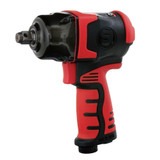
Compact Air Impact Wrench for Tight Automotive Spaces: SI-1610SR Buying Guide
Buy a compact air impact wrench when access and manageable tool weight matter—but only after checkin...
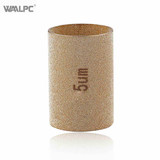
WAALPC FRL Replacement Filters: Match the Part Before You Buy
Buy a replacement FRL filter element by its confirmed model family and dimensions—not by the words “...
Shinano 5-Inch Air Grinder Review: M14 vs 5/8-11 Spindle
Tend Industrial Knowledge Center / Product comparisons Looking for the best 5-inch air angle grinde...

Premium Air Impact Wrenches: Shinano vs CP, Dynabrade & Ingersoll Rand
Hero: original AI-generated editorial illustration; pictured tools are not exact product models. A s...